Press List
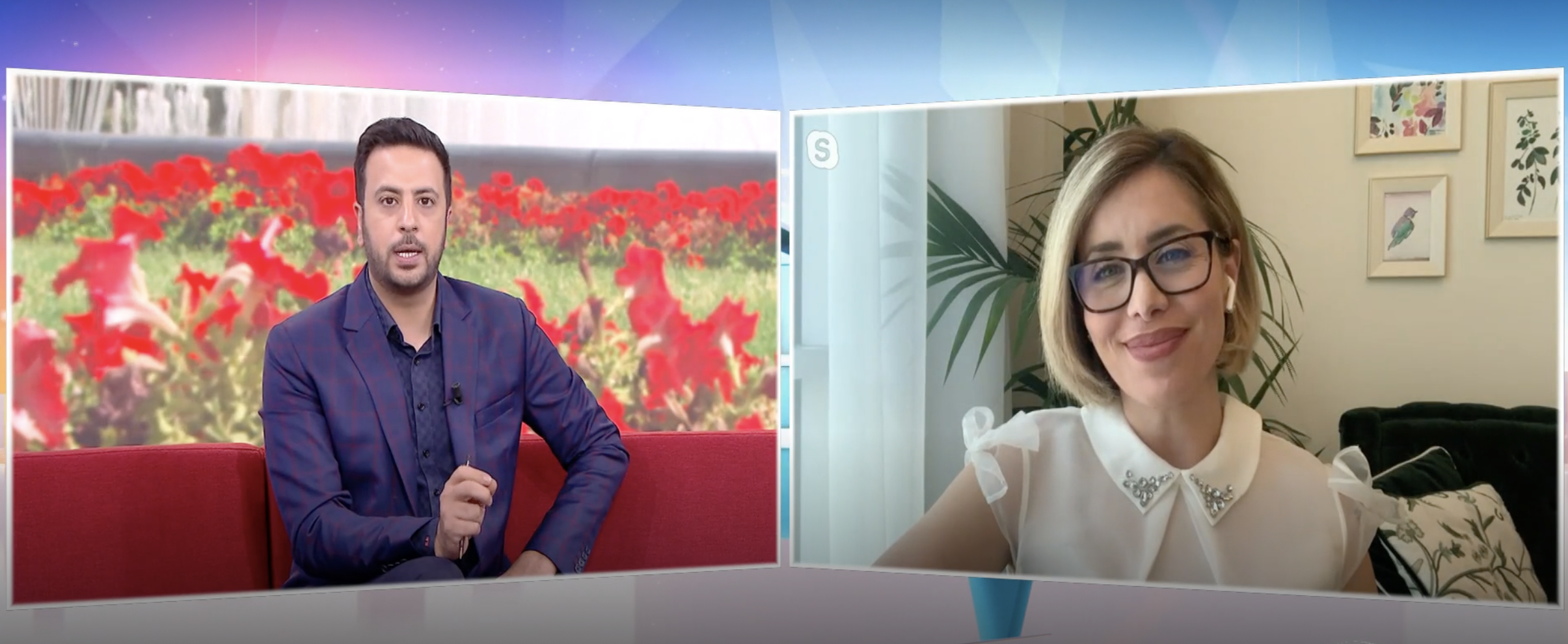
When Crisis Becomes a Catalyst: Post-Traumatic Growth, Resilience, and the Tend-and-Befriend Response
Sarah discusses how major disruptions — from pandemics to personal upheaval — temporarily suspend our foundational beliefs and open a window for genuine growth. She covers the three stress response patterns (fight, flight, tend-and-befriend), the science of post-traumatic growth, why prosocial behaviour heals the nervous system, and how each of us is a constant transmitter of either hope or fear to those around us.
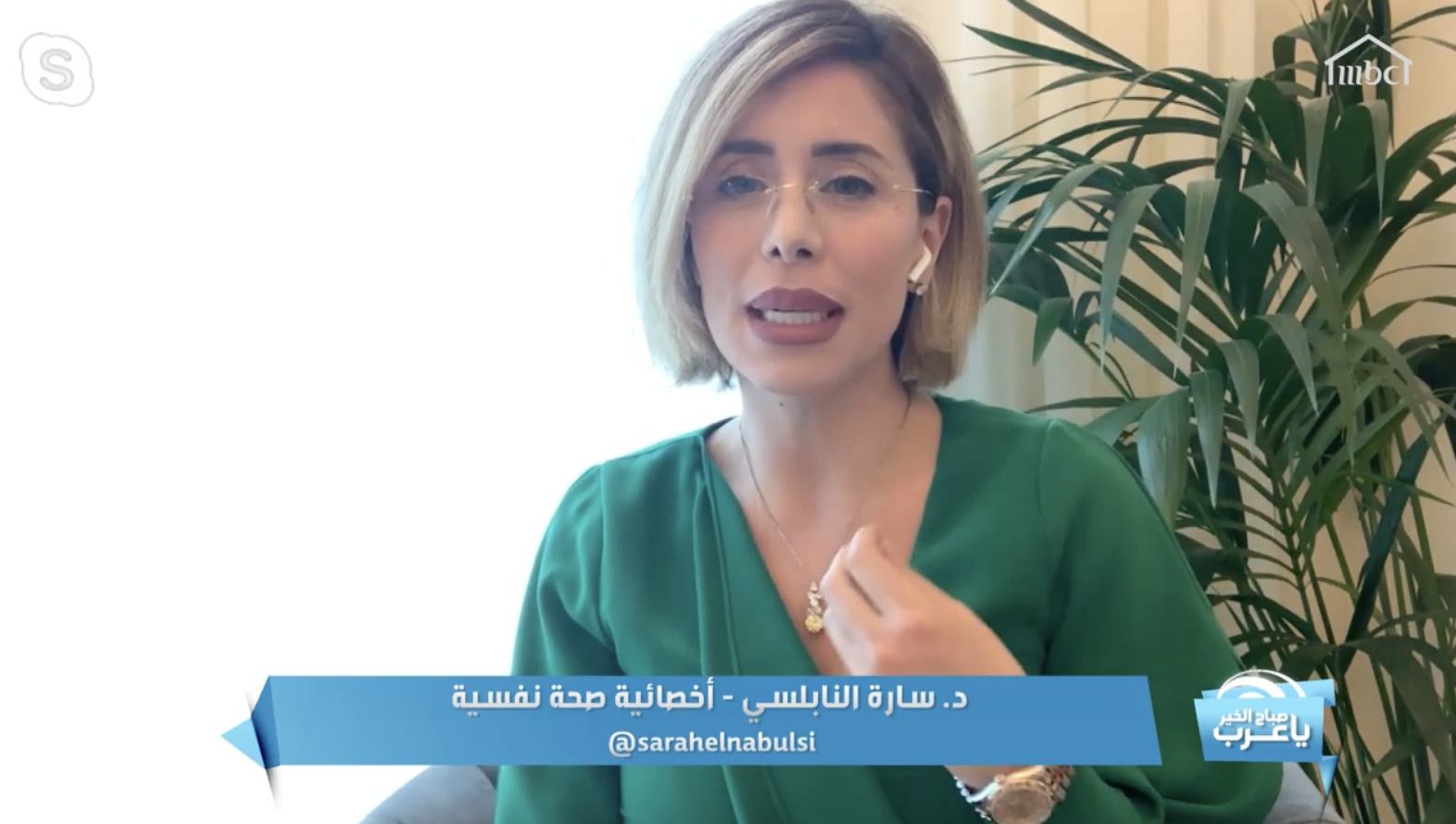
Working From Home Without Losing Your Mind
Sarah explains why working from home during COVID is biologically harder than it looks — covering the cortisol-focus link, how to rebuild routine and stability, the importance of intentional social connection, aligning your schedule with your circadian rhythm, setting firm work-hour boundaries, and how your stress levels directly regulate your children's nervous systems.

Why People Panic Buy: The Psychology of Crisis Behavior
Sarah explains the neuroscience of panic buying as a stress response, why government reassurances fail to reach people in acute fear, who is most vulnerable and why — including the Arab world's history of collective trauma and mental health stigma — and what each person can do to remain a grounding presence during collective upheaval.

Why Wealth Doesn't Buy Happiness — Technologies of Consciousness and the Neuroscience of Lasting Wellbeing
Sarah explains why positive thinking is a surface-level intervention, introduces the three scientifically distinct categories of meditation (Open Monitoring, Focused Attention, and Automatic Self-Transcending), and describes how Transcendental Meditation produces restful alertness — a fourth state of consciousness with a metabolic drop twice as deep as sleep — and why this, not mood management, is the foundation of lasting happiness.

Workaholism vs Ambition: The Psychology of Work Addiction in Arab Culture
Sarah joins two self-described workaholics to explore how Arab culture rewards and conceals work addiction, the psychology of compulsive overworking, and why the most successful people in the world use Transcendental Meditation not as a wellness practice but as a professional performance strategy: 20 minutes twice a day to access a neurological state twice as restful as deep sleep.

The Ayurvedic Clock: How Ancient Wisdom Shapes Your Sleep and Mood
Sarah El Nabulsi explains why sleep deprivation cannot be recovered in a single night, how chronic poor sleep impairs neurogenesis and cognitive development in students, and why it affects weight, productivity, and relationship conflict. She introduces the Ayurvedic clock as a practical framework for aligning daily rhythms with the body's natural cycles — from optimal exercise and work windows, to sleeping before 10 PM for deep, uninterrupted rest.

World Mental Health Day: Why the Middle East Has Some of the World's Highest Anxiety and Depression Rates
On World Mental Health Day, Sarah El Nabulsi joins MBC1's Fi Osbou3a to explain the WHO's definition of mental health — not necessarily the absence of distress, but the ability to cope with daily challenges and function toward one's goals. She discusses why the Middle East and North Africa carry a disproportionately high burden of anxiety and depression compared to the rest of the world, and connects this directly to productivity. She also addresses the cultural taboo around seeking mental health support, and makes the case for seeking help at the first signs of distress. Note: the page header above this entry is dated "Dec 18, 2021" ("MBC1 — FI OSBOU3A ( في أسبوع MBC) -Dec 18, 2021") though the entry itself is headlined and dated Oct 11, 2019 — an apparent labelling artifact on the live page, carried over verbatim rather than corrected.

How to Recognize a Psychopathic Personality — and Why You Should Walk Away, Not Try to Win Them Over
Sarah El Nabulsi explains how to recognize psychopathic personality traits early — and why trying to win over or earn the loyalty of someone with this profile is, clinically, a waste of a lifetime's effort. She outlines the childhood warning signs, why its defining feature — a lack of empathy — makes it treatment-resistant, and how psychopathic traits differ from narcissism. She also addresses what actually protects the people around them: building genuine self-worth and recognizing how childhood abuse can dull an adult's ability to read red flags.

How to Build Real Self-Confidence & What to Do When Others Comment on Your Appearance
On MBC1's Sabah Al Khair Ya Arab, Sarah El Nabulsi reframes a common but painful experience — unsolicited comments on how we look — as an opportunity to build real self-confidence, not just cope with criticism. She explains why these comments cut deepest when self-worth is already fragile, how parents can raise children who don't tie their value to appearance, and the mental skill she teaches clients directly: negotiating with your own thoughts to separate someone's opinion from fact.

The Psychology of Re-Watching: Why We Return to the Same Series and Films
Sarah El Nabulsi joined the hosts of Sabah Al Khair Ya Arab to explain the psychological mechanisms behind one of television's most relatable habits — why so many of us return, again and again, to the same series and films we have already seen. The answer lies in nervous system fatigue, the cortisol science of predictability, and what re-watching familiar content reveals about our anxiety levels.

When Holding On Becomes Pathological — and Why I'm Seeing the Opposite Problem in My Clinic
Sarah El Nabulsi joined the hosts of Sabah Al Khair Ya Arab to explain pathological attachment to people, routines, and objects — and to share a counterintuitive clinical observation: what she is increasingly seeing is not excessive attachment, but its opposite — a generation exiting relationships the moment they require effort. She explains attachment patterns, the disorganized attachment dynamic, and how Transcendental Meditation builds the self-referral foundation that makes healthy independence possible.

Factitious Disorder: When Someone Fakes a Serious Illness — and Why
Sarah El Nabulsi joined the hosts of Sabah Al Khair Ya Arab to explain one of the most misunderstood conditions in clinical psychology — Factitious Disorder, formerly known as Munchausen syndrome — following the case of a woman who falsely claimed to have brain cancer and shaved her head to support the deception. Sarah El Nabulsi explains the psychological drivers behind fabricating illness, how to recognise it, and how it is treated.

JOMO Is Not the Solution to FOMO — A Psychologist on Why Both Are Forms of Anxiety
Sarah El Nabulsi joined the hosts of Sabah Al Khair Ya Arab to offer a counterintuitive clinical take on two of the pandemic's defining psychological trends: FOMO and JOMO. While JOMO was widely celebrated as the healthy alternative to anxious social participation, Sarah El Nabulsi explains why it is not — both are anxiety responses in opposite directions, and what we actually need is the capacity for genuine presence.

Why Children Bully — and Who Is Really Responsible: A Psychologist's Perspective
Sarah El Nabulsi joined MBC1's Sabah Al Khair Ya Arab following the death of a child in Egypt at the hands of other children. She explains why the child's underdeveloped prefrontal cortex cannot bear full responsibility, why the parental and community environment is the primary driver of youth aggression, how peer pressure dynamics enable group bullying, and why even genetically predisposed children have far better outcomes when raised well.

When Your Child Won't Let You Go: Understanding Excessive Attachment and the Science of Secure Bonding
Sarah El Nabulsi explains the signs of excessive attachment in children, the neurological basis of secure versus insecure attachment styles, and how a parent can support their child's development of healthy attachment. Her core message: presence — genuine, full, undistracted connection — is the single most powerful thing a parent can give.

Children's Mental Health, Secure Attachment, and Parenting in the Arab World
Sarah El Nabulsi challenges the widespread belief that children are too young to have real emotions, explaining how secure attachment forms in the first five years and shapes mental health for life. She addresses the fear-based authority system embedded in Arab parenting culture and offers a clinically grounded alternative — building internal judgement through consistency, love, and recognition of the child as an individual.
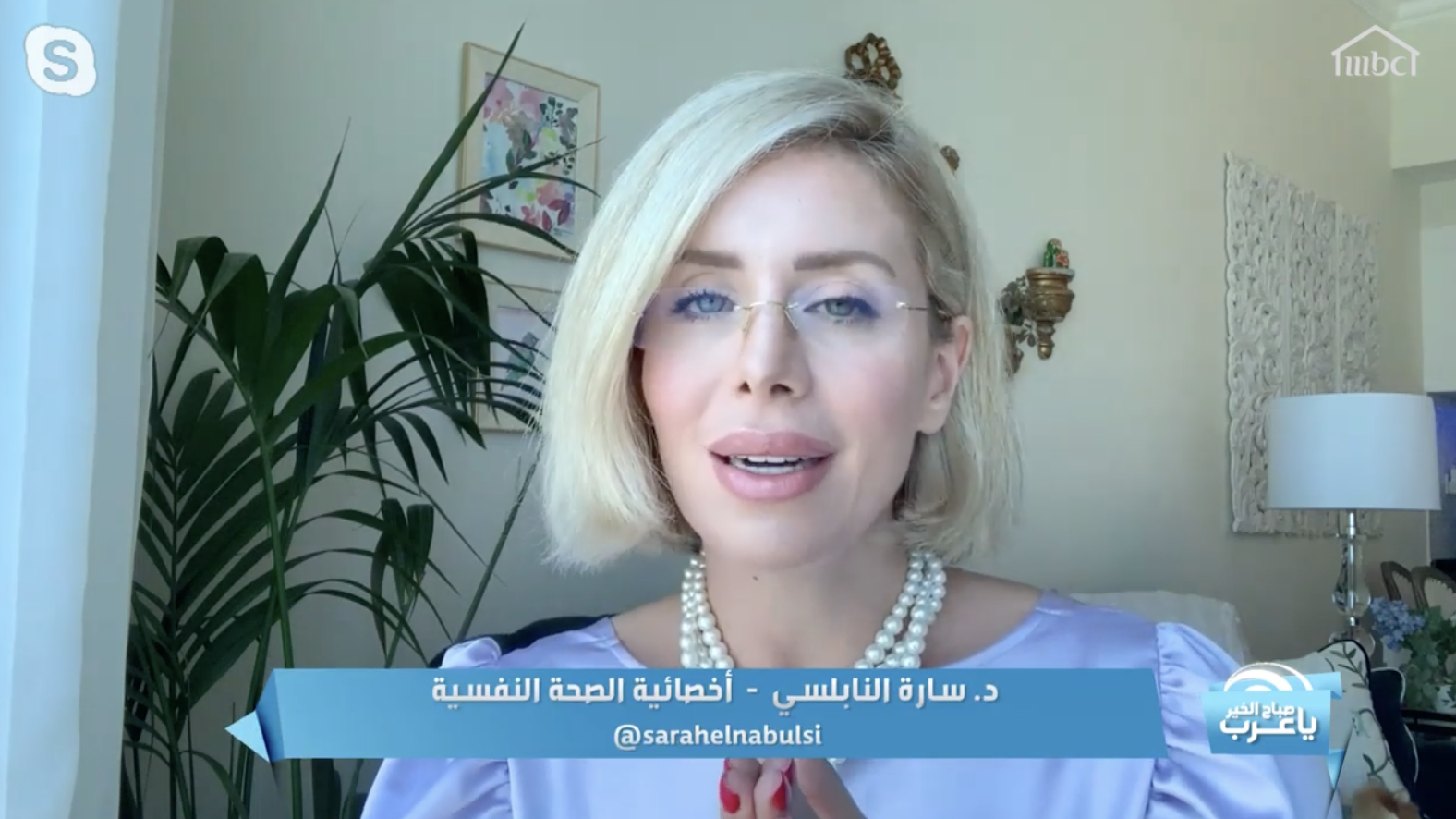
Arab Parents and Teenagers: Living on Different Planets
Sarah El Nabulsi opens with a striking observation: parents in the Arab world are operating on a fundamentally different belief system from the reality their teenagers are actually living — and that gap, left unbridged, forces teenagers to face modern challenges entirely alone. She argues that parents remain the most powerful influence in their teenager's life, but only if that bridge is built. She also addresses social media oversight and why parents need to guide rather than control, given that the adolescent prefrontal cortex is still developing.

Self-Blame, Cultural Identity, and the Art of Staying Anchored in a Globalised World
Sarah El Nabulsi cautions against applying imported Western frameworks to the Arab experience of self-blame — noting that a degree of restraint and accountability is deeply functional within Arabic culture, and that the "just be happy" belief system does not translate cleanly across cultural contexts. She argues that in an era of globalisation, the most critical skill is not adopting new value systems wholesale, but developing the self-awareness to discern what fits. She introduces self-referral through meditation as the anchor that allows individuals to remain rooted in their authentic self while navigating a rapidly changing world.

Anger, Burnout, and the Neuroscience of Emotional Habits: How to Stop Anger Before It Starts
Among the most commonly reported emotional experiences are anger, frustration, and anxiety. Sarah El Nabulsi explains that when these emotions are felt constantly and frequently, they take an immediate toll on mental health — and over time, become a direct pathway to burnout. Drawing on neuroscience, she highlights a counterintuitive truth: the more we express anger, the stronger it becomes. Each expression reinforces the neural pathways associated with that emotion, turning it into an increasingly powerful habit. The solution, she argues, is not venting but prevention — through ongoing self-awareness work that allows us to understand our own patterns and respond to circumstances assertively before anger has the chance to arise.

Is Revenge After Marital Infidelity Healthy? Understanding Betrayal and Emotional Healing
Sarah El Nabulsi joins the ladies of Kalam Nawa3em to address one of the most emotionally charged questions in relationship psychology — whether revenge is a healthy response to marital infidelity. She challenges the widespread misconception that men cheat for younger or more beautiful women, arguing that infidelity is more often rooted in a relational dynamic: men's innate need for leadership and the challenge of maintaining complementarity in marriage. She draws on the "80/20 theory" and offers a practical reframe — that sustainable marriages are built on polarity, not competition, and that ambition and femininity are not opposites. Her core message: asserting your rights after betrayal is healthy. Seeking revenge is not — it harms the betrayed more than the betrayer.

Suicide and Suicide Prevention: What the Signs Are and Why People Hide Their Pain
Sarah El Nabulsi joins the ladies of Kalam Nawa3em after a celebrity death shocks the public — a person who seemed perfectly happy, giving no visible signs of struggle. She explains that suicidal ideation never happens suddenly; it builds gradually over time, but people learn to hide it. She connects this directly to Arab cultural norms: social behaviour rules in Arab societies function almost like religious law, and these expectations can suppress individuality, keep conversations surface-level, and discourage people from being transparent about their pain — allowing suffering to escalate silently. She outlines the key warning signs to watch for, and addresses a widely misunderstood statistic: suicide attempts are higher in women, but completed suicides are higher in men.

Why Do Arabs Repress Emotions? The Psychology of Cultural Emotional Suppression
Sarah El Nabulsi explores why emotional repression is so deeply embedded in Arab culture — rooted in upbringing, family values that equate emotions with weakness, and generations of coping through conflict. She draws a striking contrast with the West, where emotional expression is modelled everywhere in media and film. She then offers a neurological explanation: repressing emotions literally reduces right-brain activity — the hemisphere responsible for emotional intelligence, body awareness, and relationships — while the left brain becomes dominant. Like an unused muscle, the right brain weakens over time. She urges Arabs to normalise therapy. On men who repress: she takes a deliberate stance — men should process emotions with other men, not at home, where their role as provider and anchor must stay intact.

Transcending Trauma: How to Overcome Major Loss and Help Your Children Heal
Recorded on the second anniversary of the Beirut port explosion, Sarah El Nabulsi opens by acknowledging what the mind struggles to do in the face of catastrophic loss — find an explanation or justification. She makes a key distinction: transcending trauma does not mean forgetting. It means accepting what happened and choosing not to let it hold you back. She introduces Transcendental Meditation as a clinical tool for this process. On supporting others: she advises against avoiding the topic — repression prevents processing. On children: she outlines the PTSD symptoms parents need to watch for — hyperarousal, worst-case-scenario thinking, negative worldview, and nightmares — and advises consulting a psychologist if these symptoms persist beyond a couple of months.

Violence Against Women: The Psychology of Control, Trauma Bonding, and How to Break Free
Sarah El Nabulsi opens by challenging the cultural framing of domestic violence as "family conflict gone out of control" — arguing instead that it is fundamentally about a desire for total control. She broadens the definition of violence beyond the physical to include verbal, psychological, emotional, sexual, reproductive, and financial abuse. She introduces the clinical concept of trauma bonding. On how to respond: physical abuse means leaving immediately; non-life-threatening situations call for building financial independence quietly. Her closing message: raise society's sensitivity to all forms of abuse, stop looking away, and stop blaming victims.

Why Do Women Cut or Shave Their Hair After Psychological Trauma?
Sarah El Nabulsi confirms a well-established connection between self-care activities like changing one's hairstyle and oxytocin, which helps regulate cortisol and reduce stress. In Arab culture, a woman's long hair has traditionally been considered her "crown", so cutting it after a setback can become a subconscious way of processing that a dream has been disrupted. She notes the behaviour isn't always trauma-driven, and that the same oxytocin mechanism applies to men during major family transitions. She also distinguishes healthy attention-seeking from the pathological need for external validation seen in Borderline Personality Disorder.
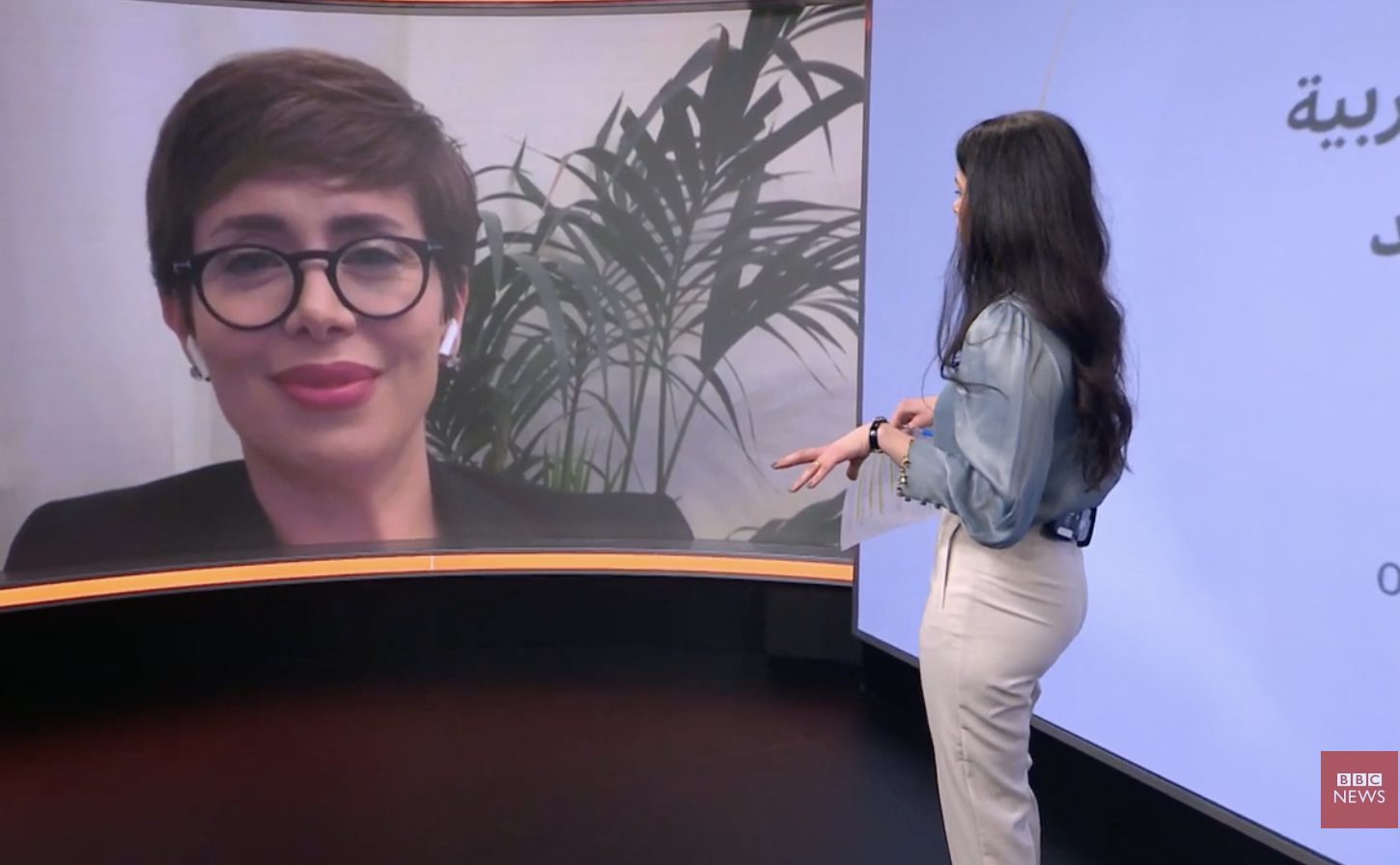
How Social Media's Dopamine Loops Affect the Teenage Brain — and How Parents Can Help Without Alienating Their Teenagers
On BBC News Arabic's Nuqtat Hewar, Sarah El Nabulsi explains why the teenage brain is uniquely vulnerable to the dopamine-driven feedback loops of social media — a vulnerability rooted in the prefrontal cortex, which continues developing into a person's mid-twenties. She addresses why parental attempts to limit a teenager's social media use often backfire when delivered through criticism rather than a focus on specific behaviors. Her guidance for parents: stay closely engaged with your teenager's world while maintaining clear authority as a parent.

What Is Mental Health, Really? A Psychologist on Why Arab Families Wait Too Long to Seek Help
On MBC1's Fi Osbou3a, Sarah El Nabulsi defines mental health as a spectrum — from consistent fulfillment and goal achievement on one end, to significant emotional struggle on the other — and explains why Arabic-speaking clients so often wait years before seeking help. She addresses why depression and anxiety left untreated during teenage years can alter brain development, and outlines what protects mental health day to day, including a regular practice of stillness and self-referral through Transcendental Meditation.

Summer Depression: What It Is, How to Spot It, and What Actually Helps
Sarah El Nabulsi distinguishes summer depression from ordinary heat exhaustion, explains why it presents differently to winter SAD, and addresses the specific risk factors facing those living in the GCC — including social isolation, disrupted sleep, and social media comparison. She recommends Transcendental Meditation as the foundational self-awareness tool for prevention and recovery.

The Ethics of Promoting Antidepressants on TikTok
Sarah El Nabulsi joins Sky News Arabia's Menassat program to address the growing trend of antidepressant promotion on social media — examining the psychological risks of unsupervised medication, the dangers of self-diagnosis, and why mental health content on TikTok requires greater regulation.

Cyberchondria: When Internet Searches Fuel Health Anxiety
A recent study found that 52.6% of adults in the Arab world experience high levels of cyberchondria — health anxiety driven by compulsive online symptom searches. Sarah El Nabulsi discusses why younger women and frequent internet users are most affected, and what can be done to break the cycle.

Psychological Amnesia: Why the Mind Forgets Trauma
Dissociative amnesia is a memory disorder in which the mind suddenly blocks access to autobiographical memories — an episode can last anywhere from a few hours to several years. Sarah El Nabulsi explains why this happens, what triggers the mind to suppress traumatic memories, and what recovery looks like.

Seasonal Affective Disorder: When the Seasons Affect Your Mental Health
Seasonal Affective Disorder (SAD) is a form of depression that follows a seasonal pattern, most commonly emerging in winter months when daylight is reduced. Sarah El Nabulsi explains that as human beings we are constantly influenced by a range of direct and indirect environmental factors — SAD is only diagnosed when seasonal changes significantly impair daily functioning and cause meaningful distress.
Unveiling Mental Health in Dubai: Therapist Sarah El Nabulsi's Insights
Sarah El Nabulsi joins the DubaiCatch Podcast for an in-depth conversation on mental health in the UAE. She discusses the psychological toll of Dubai's fast-paced hustle culture, practical strategies for stress and burnout, the impact of social media on loneliness and anxiety, and the importance of meditation and self-reflection. She also shares her personal journey from interior design to clinical psychology.
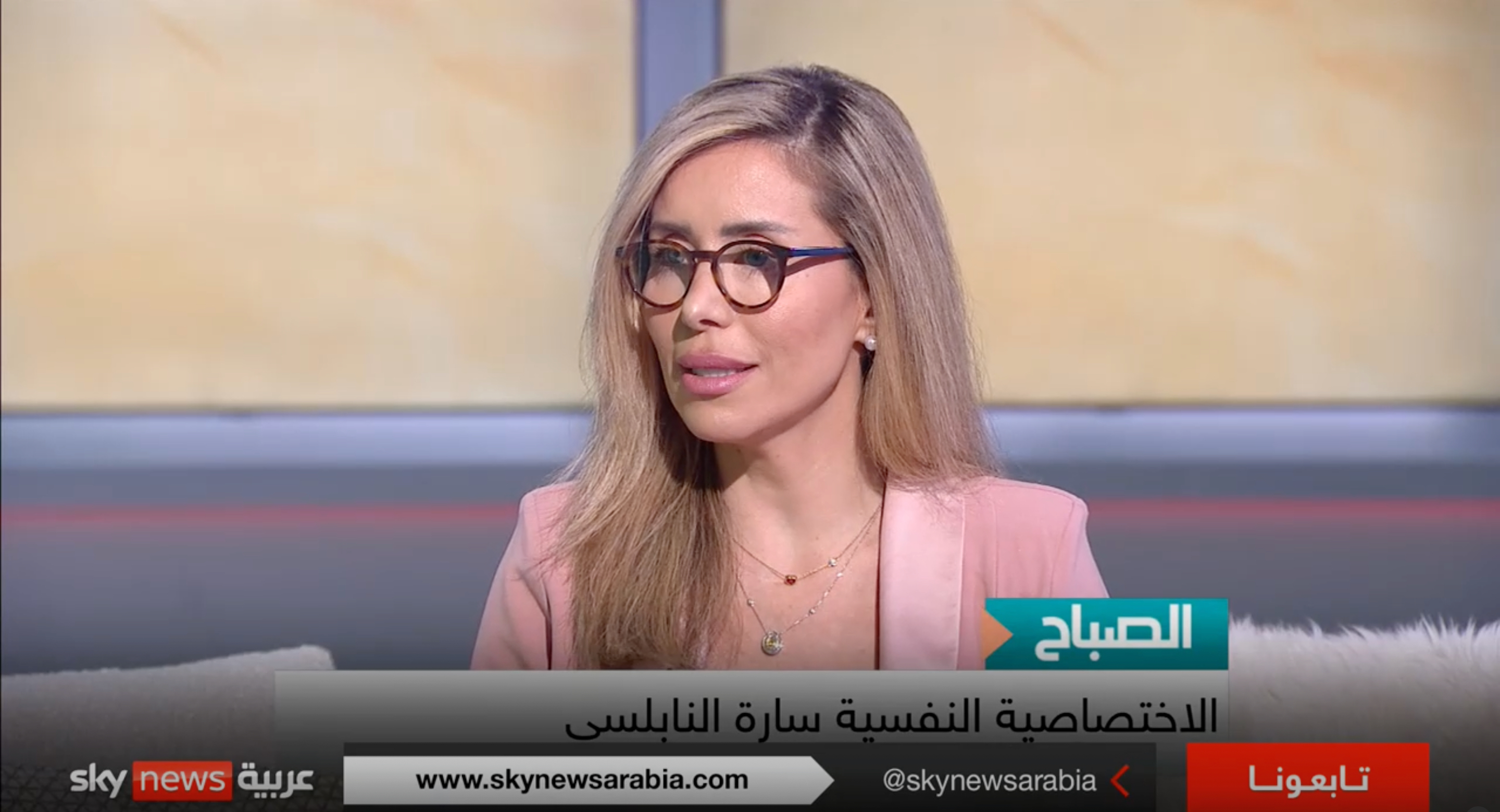
Why Do Some People Overshare? The Psychology Behind Revealing Personal Details
Sarah El Nabulsi explores the psychological drivers behind oversharing — why some people feel compelled to reveal intimate details of their lives publicly. She examines the role of attachment style, need for validation, and the impact of social media in normalising personal disclosure.

Smartphones, Anxiety, and the Brain: How to Protect Your Mental Health in the Digital Age
Excessive smartphone use triggers measurable changes in the brain — particularly in concentration and attention. Sarah El Nabulsi discusses how to recognise the signs of problematic phone use, its links to anxiety and stress, and practical strategies to set boundaries with your devices. She also highlights the risk for children, where prolonged close-up screen exposure is contributing to rising rates of myopia in younger generations.

Setting Boundaries: The Importance of Saying No
Sarah El Nabulsi joins the ladies of Kalam Nawa3em to discuss one of the most powerful tools in psychological wellbeing — the ability to set boundaries and say no. She explores how culture effects agreeableness and why so many people in the Arab world struggle to decline requests, the emotional cost of chronic people-pleasing, and practical strategies for asserting limits in personal and professional relationships without guilt.